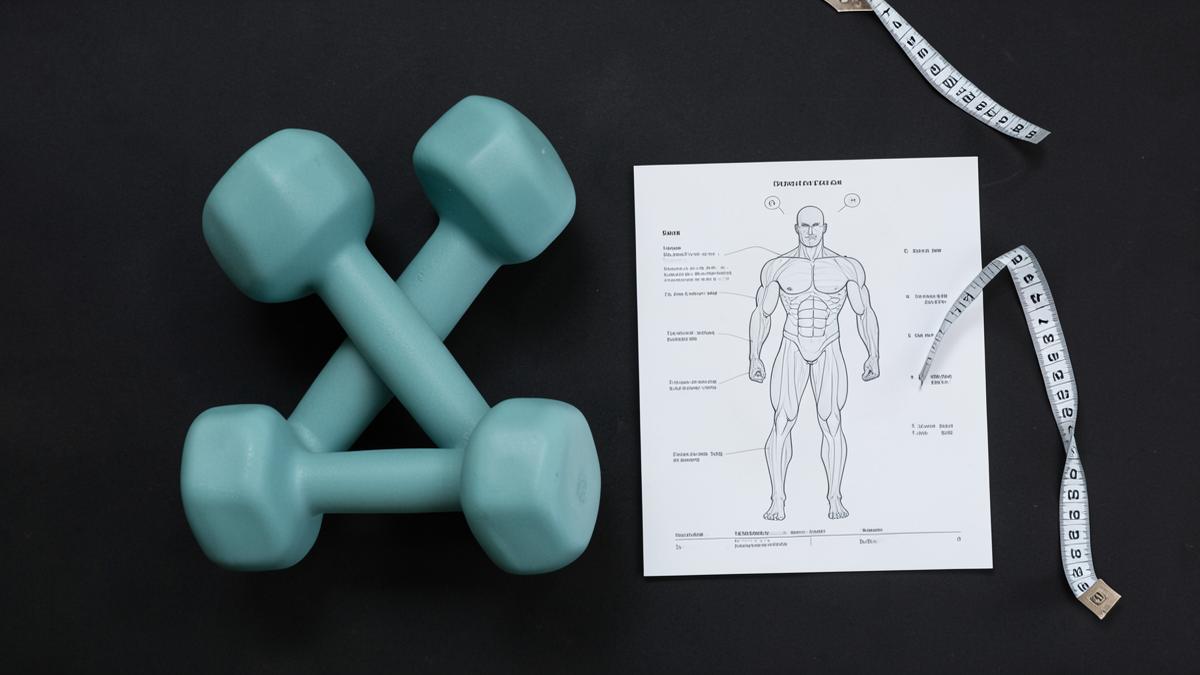
THE SHORT ANSWER: Menopause gets talked about almost entirely in terms of symptoms to manage: hot flashes, sleep, mood. What gets left out is that it's also a measurable metabolic event with specific, quantified changes behind it. The Menopause Society's own patient guidance states that women lose muscle mass at a rate of 3% to 8% per decade after age 30, and that as estrogen drops, the body shifts toward storing fat centrally in the abdomen rather than the hips and thighs, a pattern linked to higher cardiometabolic risk independent of overall weight. Muscle burns more calories at rest than fat does, so less muscle means a lower resting metabolic rate, which is part of why the same eating and exercise habits that worked in someone's 30s can stop working in their late 40s and 50s. None of this is destiny. The Menopause Society's own recommendations point to 150 minutes of moderate aerobic activity weekly combined with strength training twice a week, and roughly 1.2 grams of protein per kilogram of body weight daily, as concrete, measurable countermeasures, not vague lifestyle advice.
What actually changes metabolically at menopause?
Two things change in parallel, and each one makes the other worse if nothing counteracts them. First, muscle mass declines at an accelerating rate, a process already underway before menopause but compounded by it. Second, falling estrogen shifts fat storage toward the abdomen, a distribution pattern that carries more cardiometabolic risk than the same amount of fat stored elsewhere on the body. Losing muscle while gaining abdominal fat is a worse combination than either change on its own, because the muscle loss lowers the baseline calories burned at rest at the same time the fat distribution shift raises health risk.
Why does this get treated as just "symptoms" instead of something measurable?
Because hot flashes and sleep disruption are what a person feels day to day, while muscle mass and fat distribution require an actual measurement to see. It's easier to describe a symptom than to order a body composition scan or track grip strength over time. That doesn't mean the metabolic side is less real. It means it's less visible without someone actually looking for it, which is a different problem with a different solution: measurement, not just symptom management.
What does the actual guidance recommend?
The Menopause Society's own numbers give a concrete target rather than generic advice to "eat better and move more." Strength training twice a week, 150 minutes of moderate aerobic activity weekly, and roughly 1.2 grams of protein per kilogram of body weight daily are the specific, quantified pieces. The guidance also notes that even a modest 5% to 10% reduction in body weight, where weight loss is appropriate, meaningfully improves health markers. None of that requires guessing. It requires a plan built around real numbers rather than general encouragement to "stay active."
Why does strength training matter more here than cardio alone?
Because the muscle loss driving the metabolic slowdown doesn't reverse with cardio. Aerobic activity supports cardiovascular health, but resistance training is the specific stimulus that maintains and rebuilds muscle mass, which is the tissue actually responsible for the falling resting metabolic rate. A program built entirely around cardio, without a resistance training component, is treating the wrong side of the equation for the muscle-loss part of what's happening.
How this fits the bigger pattern
This is the same issue we keep coming back to: a real, measurable metabolic shift gets talked about only in symptom language, which makes it sound like something to cope with rather than something to actually track and manage. Menopause is not just hot flashes and mood changes to get through. It's muscle mass, resting metabolic rate, and fat distribution, and all three of those are things a program can actually measure and act on.
What this means for menopause care in Dartmouth and the SouthCoast
If you're in Dartmouth, New Bedford, Westport, Fairhaven, or Fall River and you've been told menopause is just something to get through, the metabolic side of it is measurable and actionable. Our menopause program is built around genomic and lab testing, a protein target, and a strength training plan, tracking the actual numbers behind the symptoms rather than treating menopause as purely something to endure.
Frequently asked questions
Is muscle loss during menopause inevitable?
Some rate of muscle loss with age is normal, but The Menopause Society's own guidance points to strength training and adequate protein intake as concrete, evidence-based countermeasures, not a guarantee of prevention.
Does this mean weight gain during menopause is unavoidable?
Fat redistribution toward the abdomen is a documented pattern tied to estrogen decline, but it's not the same statement as unavoidable weight gain. A program built around the actual metabolic drivers, muscle mass and activity, is a different starting point than assuming nothing can be done.
What does your menopause program actually track?
Genomic and lab testing, body composition where appropriate, and a written plan built around a protein target and a resistance training program, reviewed with you rather than handed over as a printout.
Do you see patients in person near me?
Yes. We provide in-person care in Dartmouth, MA, and work with patients across the SouthCoast, including New Bedford, Westport, Fairhaven, and Fall River.
Menopause is a metabolic event with numbers behind it: muscle mass, fat distribution, resting metabolic rate. Treating it as only a set of symptoms to manage leaves the measurable, actionable part on the table.
This article is for educational purposes only and is not medical advice. Individual health needs during menopause vary and should be discussed with a licensed healthcare provider. This content does not diagnose any condition or recommend treatment for any individual.